Fresh meets salt
Creeks and rivers push fresh water down while the ocean tide pushes salt up. The mix shifts with rain and season, and every species here is tuned to a slice of that gradient.
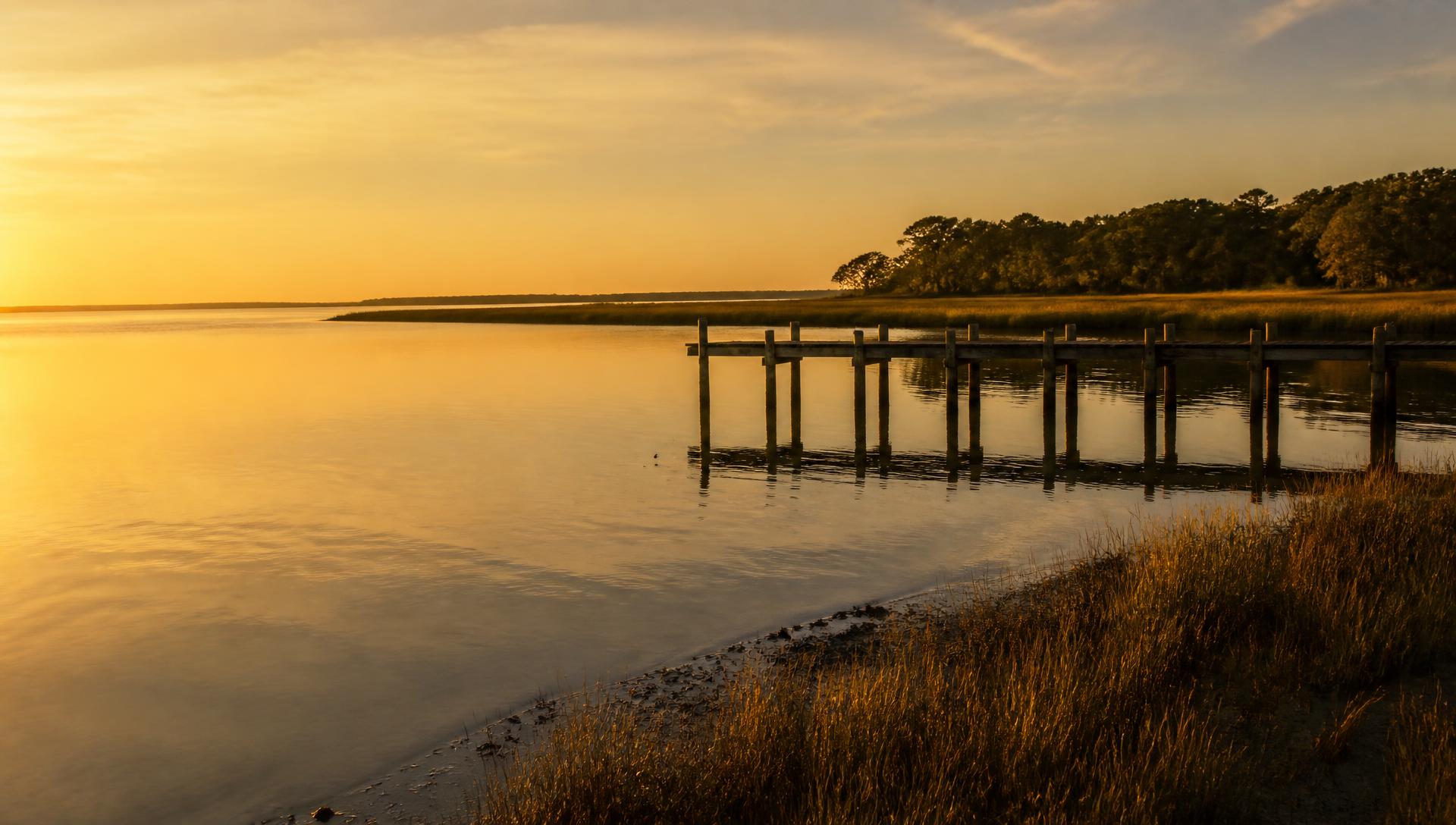
Tidewater Maryland
Vegapeake Bay is our name for the shallow, marsh-edged reach of the Chesapeake where we grew up. Tides move slowly here, the water is more green than blue, and almost everything living in it depends on what happens on the land upstream. This site is a guide to the place: how it works, what it has been, what lives here, and how to leave it better than you found it.
Creeks and rivers push fresh water down while the ocean tide pushes salt up. The mix shifts with rain and season, and every species here is tuned to a slice of that gradient.
Much of the bay is only a few feet deep. Sunlight reaches the bottom, underwater grasses grow, and those grass beds hide young crabs and fish until they are big enough for open water.
Fields, lawns, roads, and roofs all drain here. Excess nutrients feed algae blooms that cloud the water and pull out oxygen, which is why shoreline buffers matter so much.
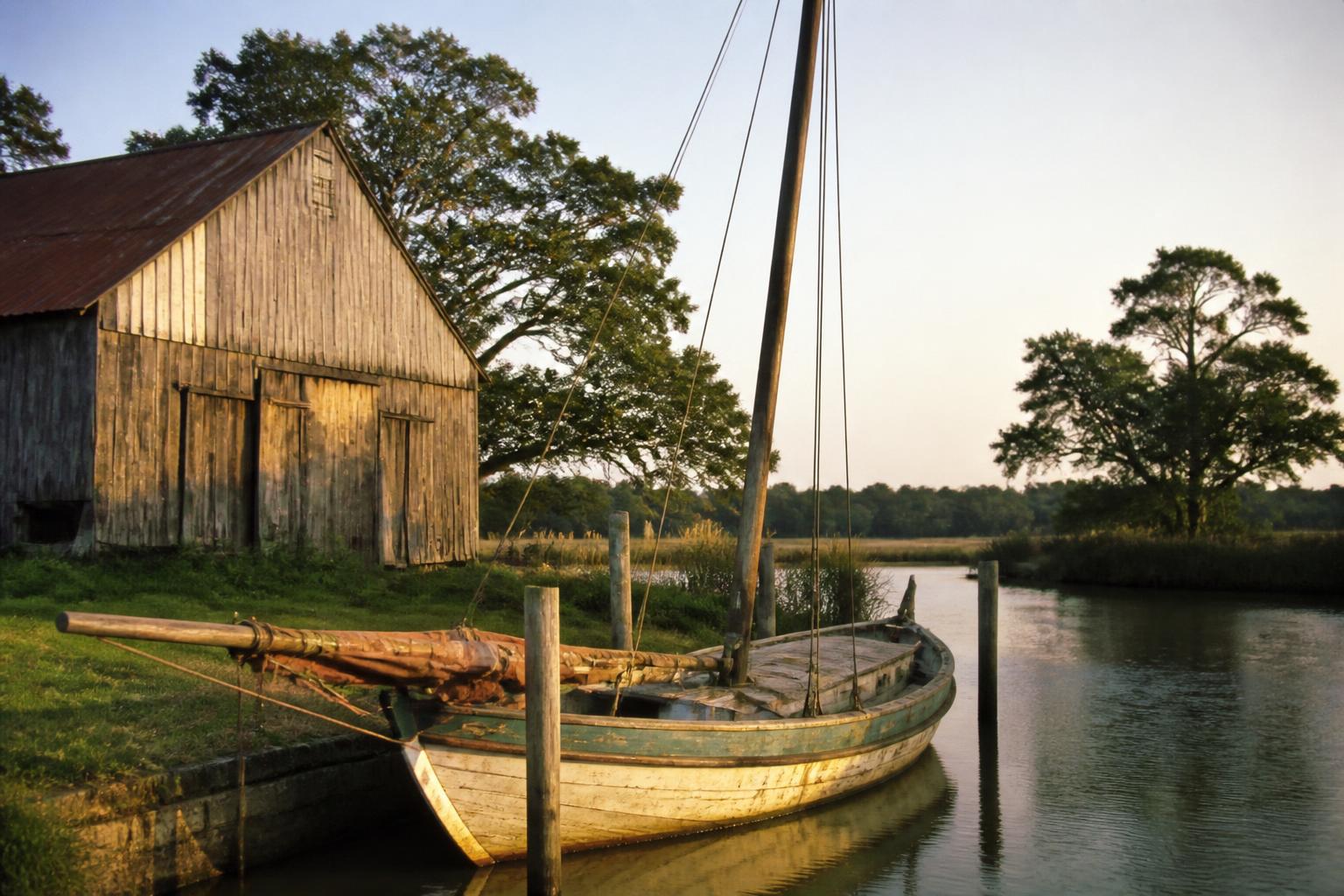
History
Four centuries of farming and working the water shaped every landing, creek, and place name along this shoreline.
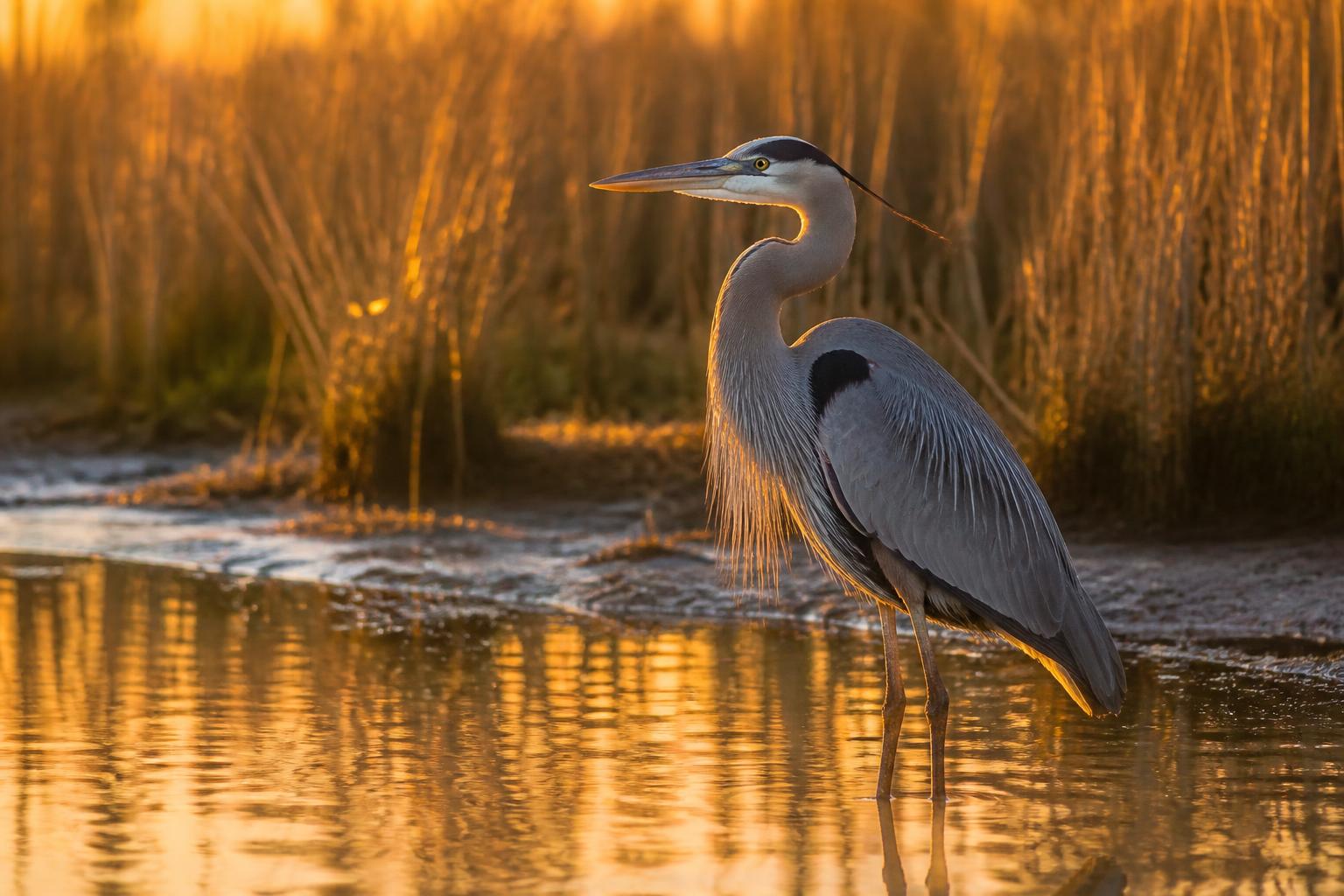
Wildlife
Marsh, shallow grass beds, and open water make this a nursery for fish and a corridor for migrating birds.
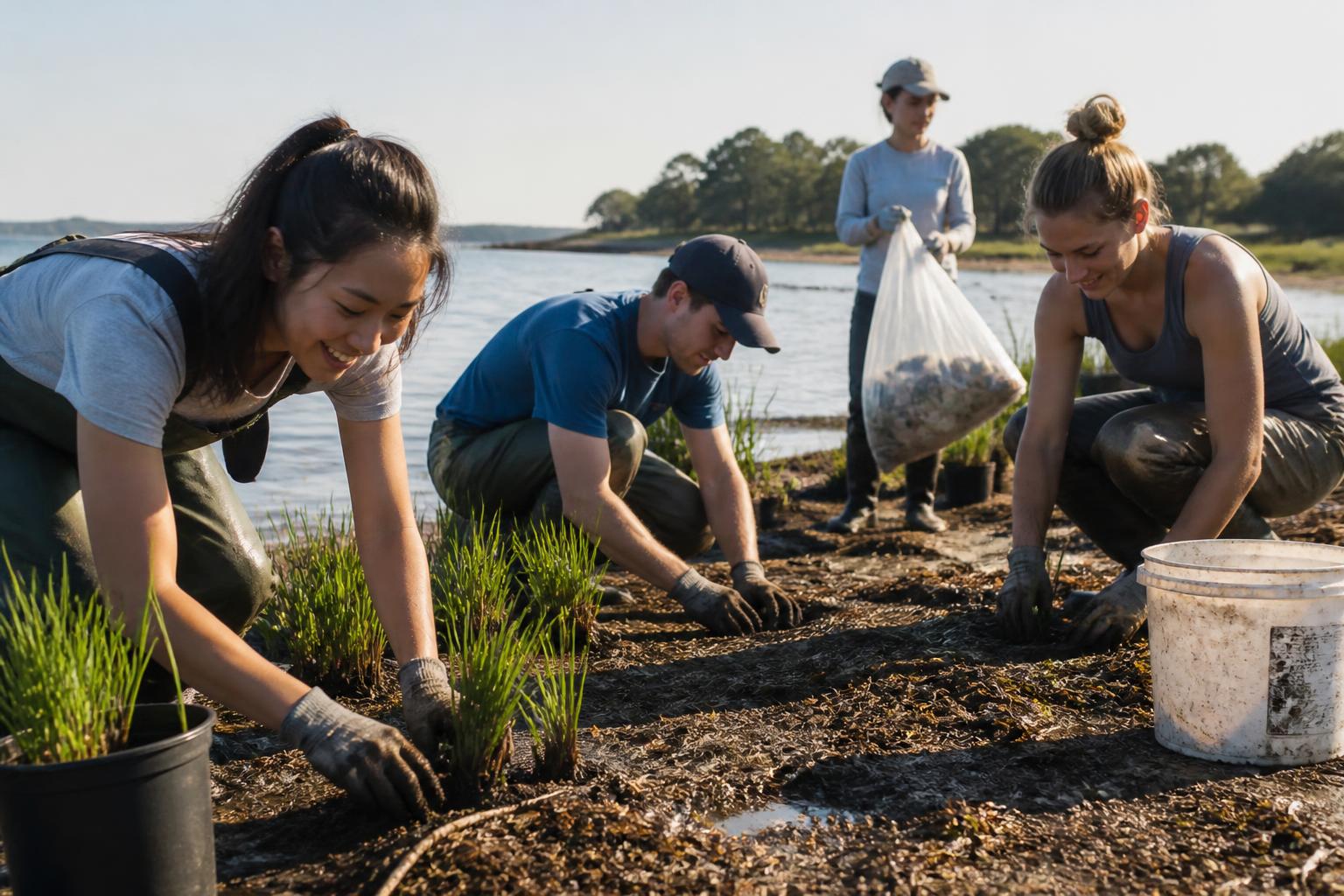
Get involved
Plant a buffer, skip the fertilizer, join a cleanup, log what you see. The bay responds to what happens on land.